
The Land Before the Label
A History of Temecula Wine Country
Long before this valley had wineries, it had a name, a cattle empire, a railroad flood, and a federal fight over what to call itself. This is the fuller story — the one with the footnotes — of the ground Marshall Stuart Wines, and every winery around us, is built on.
Chapter One
Long Before the Vines
The Payómkawichum — "the People of the West," as they call themselves — have lived in this valley for a very long time; an archaeological excavation in 1951 dated continuous occupation here to roughly 900 years. Outside anthropology has generally described them arriving from Shoshonean lands near the Colorado River. Their own oral tradition tells it the other way: that life itself began in this valley, born of the Sky-father and Earth-mother, and that other peoples moved outward from here — not in.
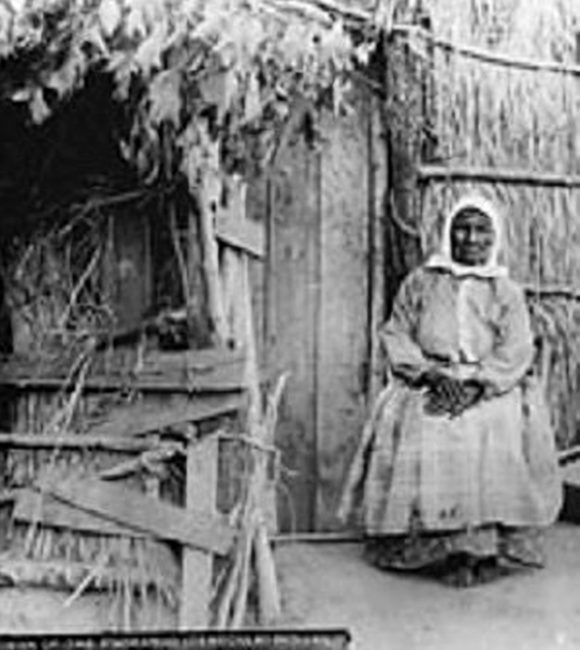
The name "Temecula" comes from their word for this place, "Temeku." One local legend credits the name to a wandering namer called Nahachish, who stood on a hillside and watched smoke from the valley's campfires mix with a thick mist rolling over the western hills, sunlight breaking through it in diffused beams — and so he called it "place of the sun." Whether by legend or by plain description, every source agrees on the meaning, and on the mechanism: this valley has always been defined by sun cutting through marine mist, the same weather pattern that still decides how the grapes ripen today.
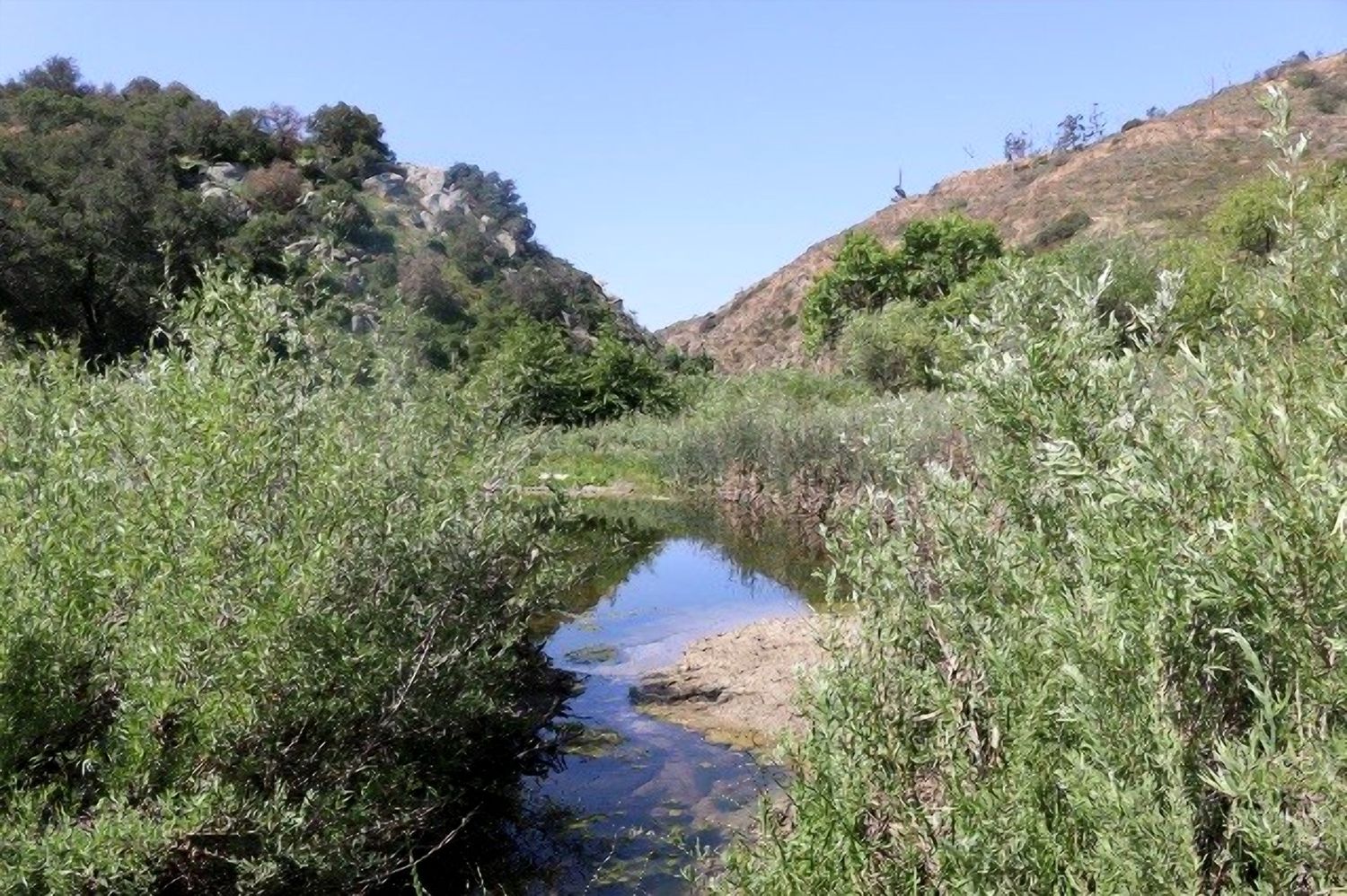
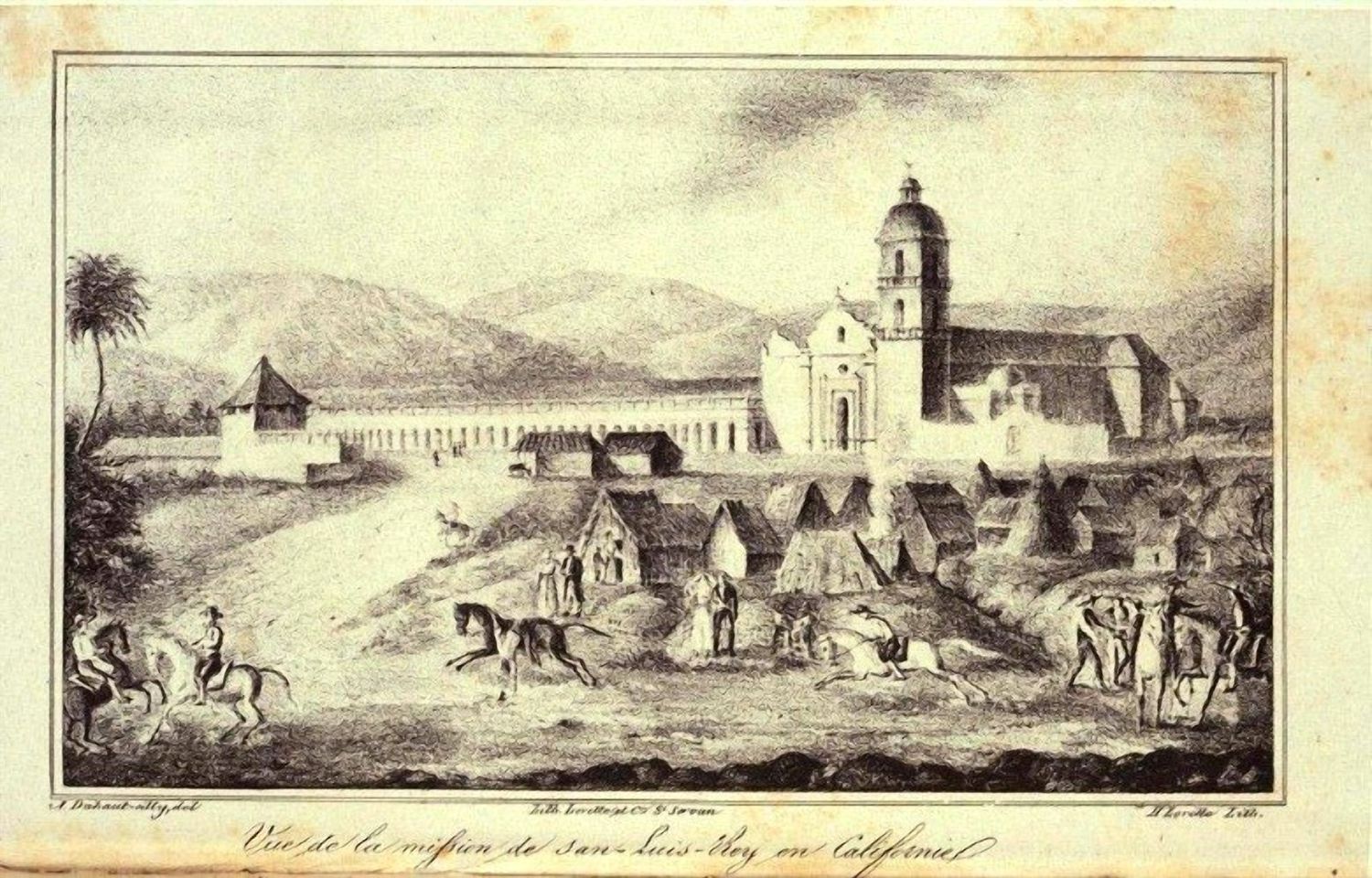
European contact began in 1797, when a Franciscan scouting party passed through; Mission San Luis Rey de Francia was founded the following year, and the missionaries built an "Asistencia" — a mission sub-station — near the village of the Temekus, close to where Murrieta Creek now empties into what's called Temecula Canyon. It housed traveling priests and helped run the mission's operations inland. And it's here that this valley's wine story turns out to start far earlier than most tellings have it: court records from Land Case No. 55 show that in 1843, Mission San Luis Rey granted one of its own workers, a man named Pablo Apis, roughly 2,000 acres of the Temecula Rancho — along with "150 stocks of vines." That grant, made to an Indigenous mission worker three years before any of the more commonly cited founding dates, is the earliest documented viticulture in this valley. The land is still known today as Little Temecula.
What followed for the Payómkawichum was considerably harder, and deserves to be told plainly rather than skipped past. In January 1846, a group of Californios and Cahuilla allies ambushed and killed an estimated 30 to 100 Payómkawichum people at a site within what's now the wine country itself, near the present intersection of Rancho California Road and Camino del Vino — remembered as the Temecula Massacre. An 1851 agreement, the Treaty of Temecula, was one of eighteen treaties the United States signed with California tribes and then never ratified, sealed from public record for over fifty years. In December 1875, a group of local ranchers forced Payómkawichum families from their village on the Little Temecula Rancho, leaving them with almost nothing, stranded a few miles south of the town site. The Pechanga Reservation was finally established by executive order on June 27, 1882 — signed by President Chester A. Arthur — and the Pechanga Band remains there today, still very much part of this valley's present, not just its past.
Chapter Two
The Vail Ranch Era
In 1866 or 1867 — accounts differ by a year — a German immigrant named Louis Wolf and his Chumash wife, Ramona, built a small adobe trading post on the north bank of Temecula Creek. The Wolf Store did nearly everything at once: saloon, livery stable, hotel, general store, stagecoach stop, post office, school, and employment office, with Wolf himself serving at various points as storekeeper, postmaster, justice of the peace, innkeeper, road commissioner, and school board trustee. It anchored the earliest Temecula community, and it's still standing today — the oldest building in Temecula — now home to a coffee roaster and a creamery.
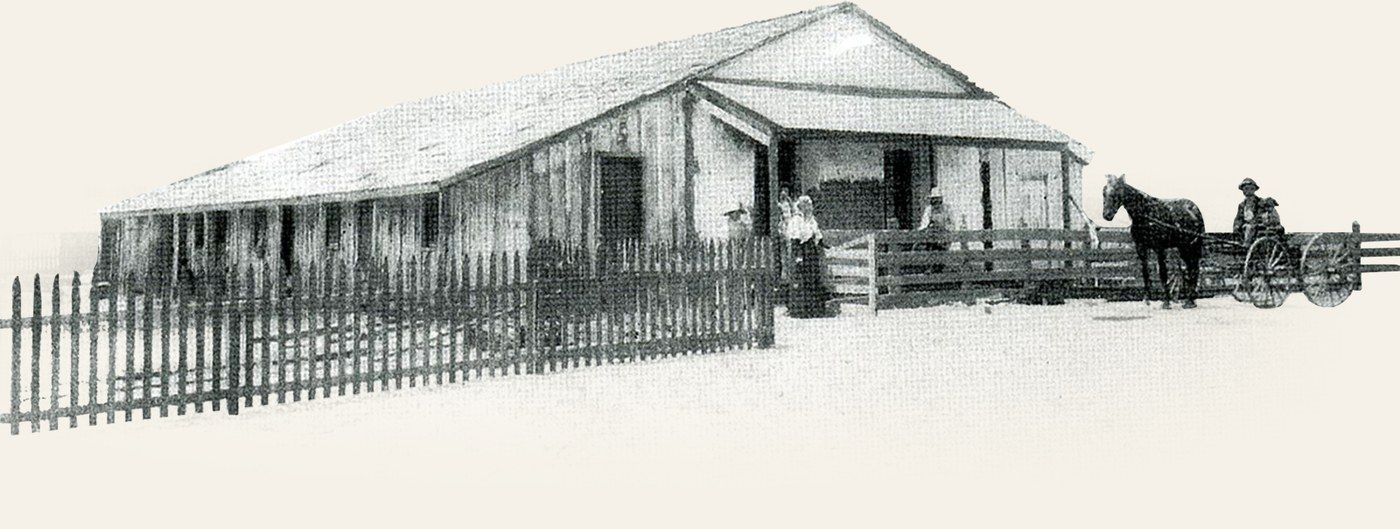
Wolf died in 1897. In 1904, an Arizona cattle baron named Walter Vail — Nova Scotia-born, who'd started in the Nevada silver mines before building a cattle empire near Tucson in 1876 that would eventually span five states and more than a million acres — bought Wolf's old holdings along with several other ranchos. By 1905 the combined property, called simply Vail Ranch, covered roughly 87,500 acres stretching from present-day Camp Pendleton to Vail Lake. Walter didn't get to run it long: he was killed in a freak streetcar accident in Los Angeles in 1906, and his youngest son, Mahlon, took over, managing the operation for decades.
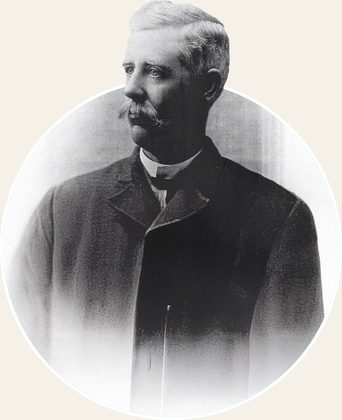
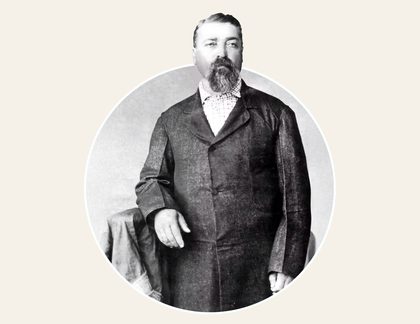
The ranch headquarters grew into a small self-sufficient village of its own: a cookhouse built in stages from 1867 to 1914 with separate dining rooms for ranch hands and for visiting VIPs; a foreman's house; a bunkhouse that slept two dozen cowboys. And a machine barn — part ranch office, where hands lined up for work assignments, equipment, and paychecks, and part machine shop and blacksmith's shop.
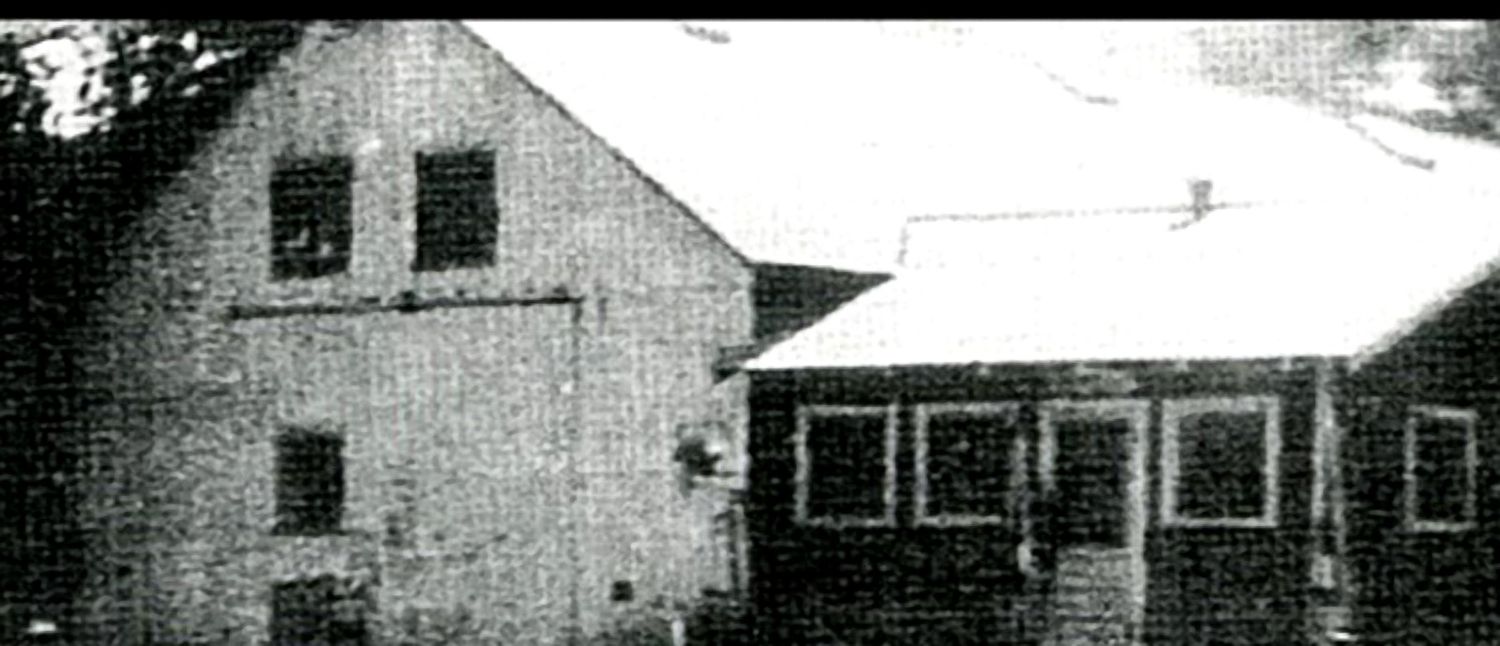
That machine barn was dismantled and moved to its current spot in 1998. It's the building Marshall Stuart Wines pours out of today — which means our tasting room sits in the same structure where, a little over a century ago, Vail Ranch cowboys picked up their paychecks and got their horses shod.
By 1964, Mahlon Vail was in his seventies, in failing health, with no heir to keep running things. That year the ranch — by then valued at $21 million, home to barely 250 people in the entire valley — sold to a Kaiser-led group that turned it into the master-planned community of Rancho California. The old ranch headquarters sat mostly vacant for the next thirty-odd years, until a group of Temecula residents, worried the remaining buildings would be razed for development, formed the Vail Ranch Restoration Association in the mid-1990s to save them — which is the only reason there was a machine barn left standing to become a tasting room at all.
Chapter Three
A Town Called Temecula, 1890
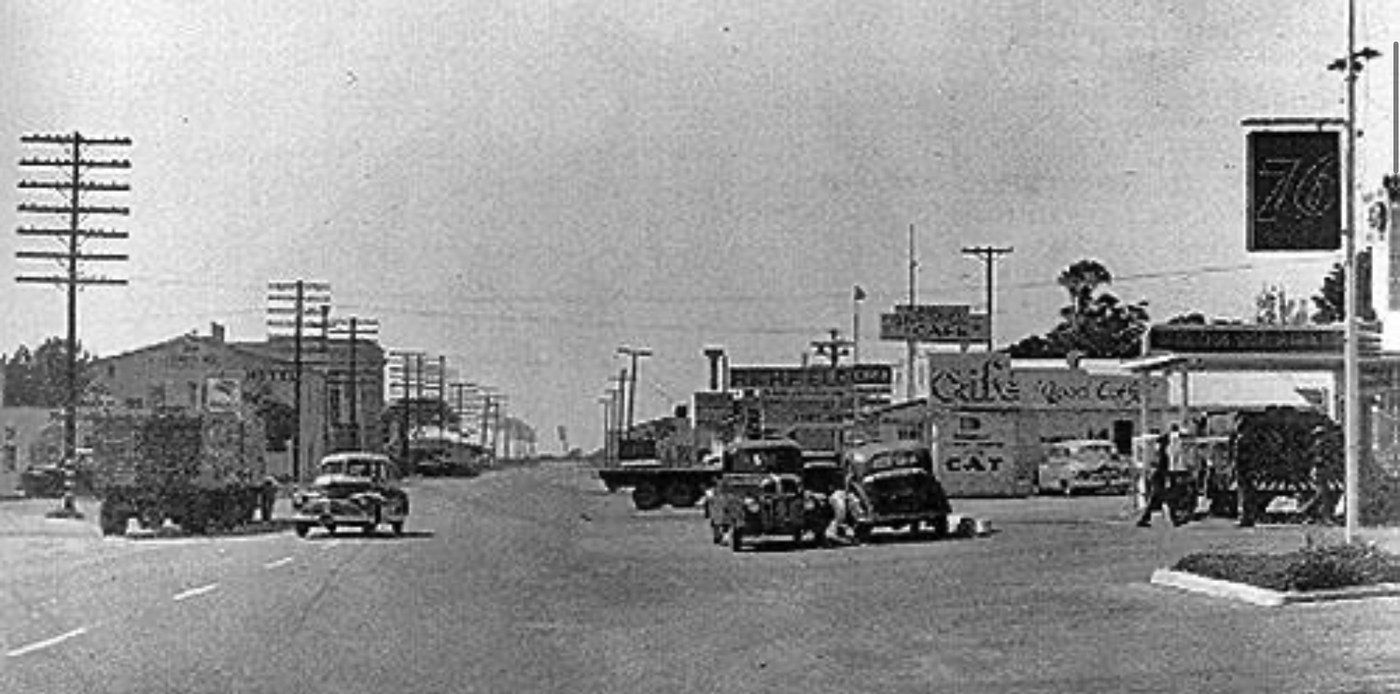
It's worth pausing on what this place actually looked like well before wine had anything to do with it. An 1890 book, "An Illustrated History of Southern California," gives an unusually specific snapshot: Temecula, it says, was home to about 600 people, with two hotels, a post office with daily mail, a public schoolhouse, two general stores, a blacksmith and wagon shop, and a telegraph office. The nearby Temecula Hot Sulphur Springs — water running 120 to 160 degrees — had its own bathing house. The old Temecula Rancho had already been divided into three tracts: Little Temecula, Pujol, and a third portion sold off to become the town of Murrieta.
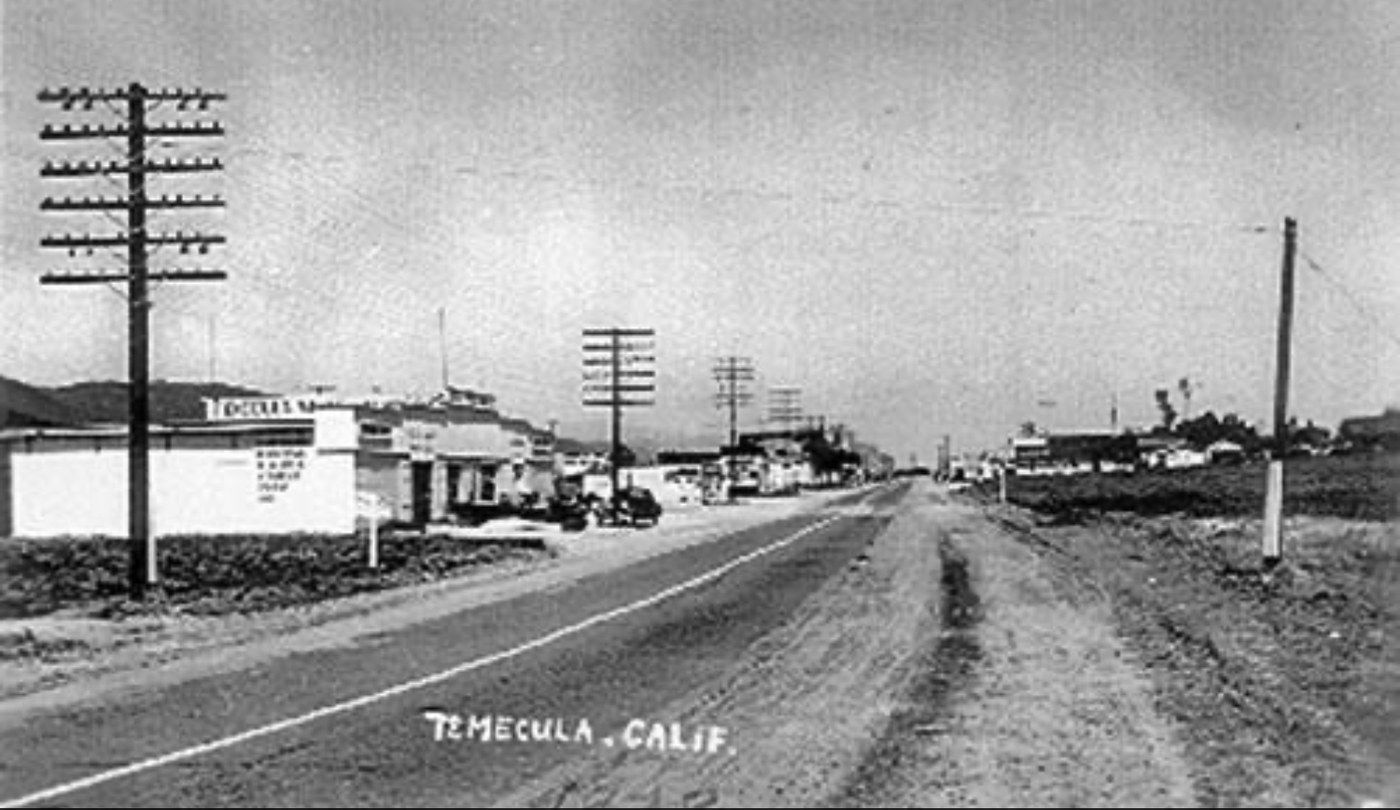
The California Southern Railway ran straight through Temecula Canyon on its way to San Diego, a genuinely difficult piece of engineering through fourteen miles of steep, picturesque terrain. It didn't always hold: in early 1884, a flood washed out a stretch of track that Eastern engineers had built too low for the local climate, and it took roughly nine months to rebuild and reopen the line. The same book describes the soil here as "adapted to a diversified agriculture," predicting that "fruit and vine growing will be largely undertaken in the future" — a prediction that, at the time, hadn't yet come true. A 1909 account found only a single documented vineyard anywhere near town.
Chapter Four
Planting the First Vines
Vines had been tried here before Pablo Apis's 1843 grant faded from memory — a French-born Los Angeles vintner named Jean-Louis Vignes bought land in the valley in 1846 hoping to grow at scale, and recruited relatives over from France to help. It still didn't take. Grapes got a real, if modest, second act during Prohibition: with commercial wine banned but home winemaking still legal up to a personal limit, grape prices climbed, and most of Temecula's farmers planted at least some vines through the 1920s and '30s. Names like Escallier, Borel, Cazas, and Domino are still remembered locally as the growers of that era. None of it built a wine industry — that took until 1968.
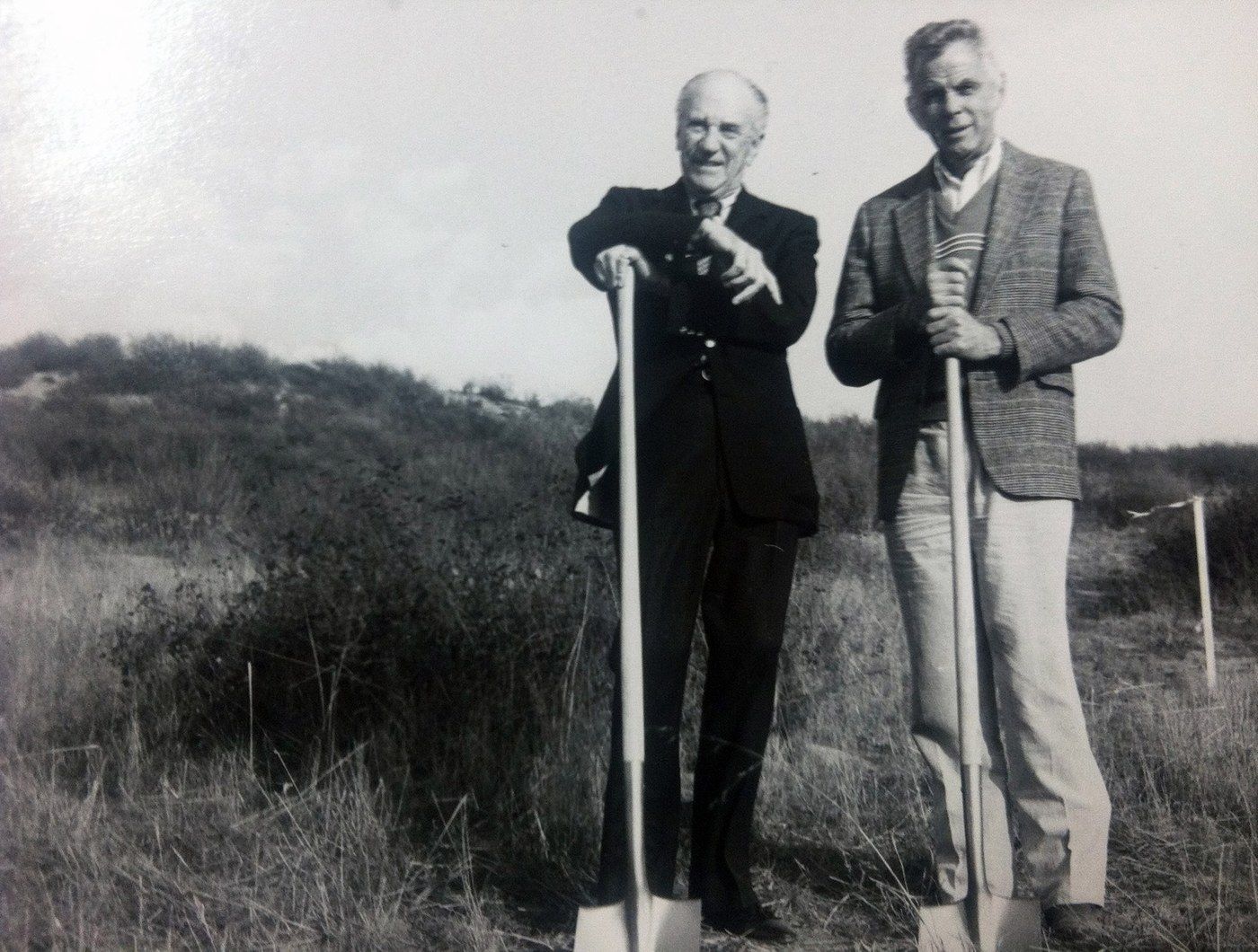
That year, Vincenzo and Audrey Cilurzo — he an Emmy-winning lighting director for ABC Television, planning ahead for retirement — planted the valley's first modern commercial vineyard, 25 acres of Chenin Blanc and 15 of Petite Sirah, on ground now owned by Maurice Carrie Winery. They didn't guess: the Vail family had been quietly logging weather-station data across the ranch for years, and the Cilurzos had UC Davis's own agricultural department analyze it before they planted anything. A year later, in 1969, a textile executive named Ely Callaway planted vines on former Vail grazing land on his own scouted plateau, the same year Brookside Winery and John Poole's Mount Palomar both put in their first vines nearby. Poole went on to plant the region's first Sangiovese and dig its first wine cave. Hart Winery followed in 1974, the same year Callaway opened Temecula's first public tasting room.
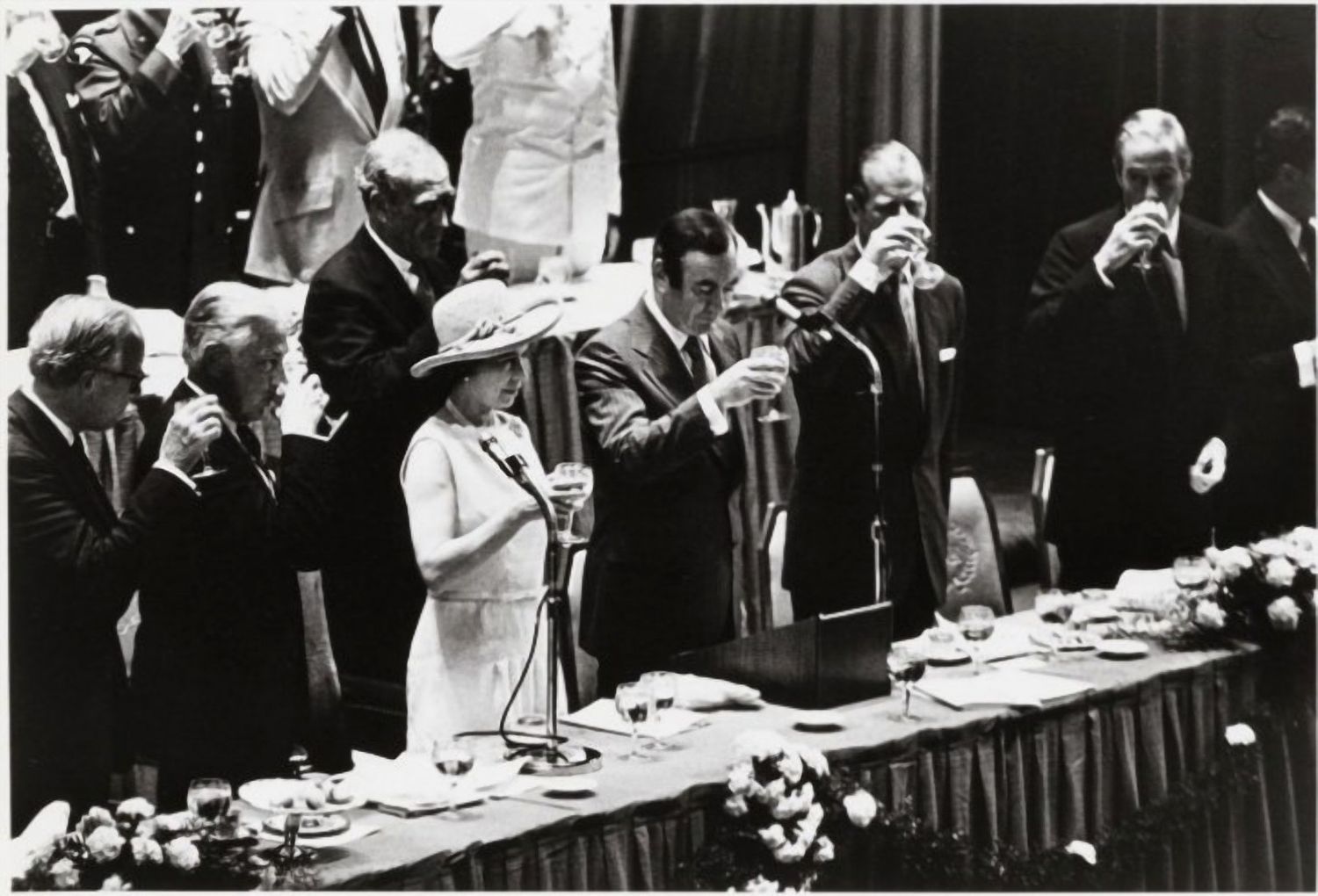
Two years after that, on July 9, 1976, Callaway's 1974 estate White Riesling became the only wine served when Queen Elizabeth II and Prince Philip toasted the American Bicentennial at a luncheon at New York's Waldorf-Astoria — the first time a dry table wine from Southern California had ever been chosen for an East Coast diplomatic event. The Queen, not known as much of a wine drinker, asked for a second glass. Callaway sold the winery in 1981 and turned his attention to golf, building Callaway Golf into a billion-dollar company on the strength of the Big Bertha driver.
By 1981, there were enough wineries and enough disagreement about what to call the place that two separate petitions landed on the federal government's desk — one from the Rancho California/Temecula Winegrowers Association, one from Callaway, and the two didn't agree with each other. Callaway's petition argued that its own winery had produced roughly 80% of every wine ever sold under the Temecula name and that public attention to the area came largely from its own investment; the Association's petition represented a wider group of growers. The federal Bureau of Alcohol, Tobacco and Firearms spent three years reviewing public comments and held a hearing in Temecula itself, taking testimony from 31 witnesses, before ruling in October 1984: a single "Temecula" viticultural area, the nation's 69th, would be established — larger than what Callaway alone had proposed, boundaries drawn partly along old Mexican land-grant lines and partly along a 1,500-foot elevation contour where the marine breezes that make this climate possible were found to dissipate. ATF was careful to note that approving the name wasn't an endorsement of quality, only of distinctness. In 2004, at the local winegrowers association's request, it was renamed the Temecula Valley AVA — the only American wine region ever to have its federally registered name changed.
Chapter Five
The Crisis and the Comeback
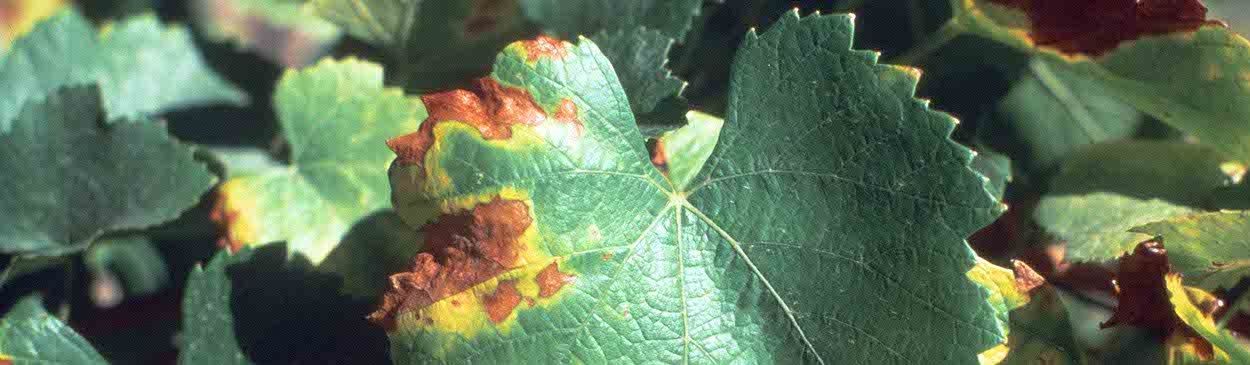
In 1997, an invasive insect called the glassy-winged sharpshooter — believed to have hitched a ride on nursery stock from the southeastern U.S. around 1990 — was found breeding heavily in Temecula's citrus groves. It carried Pierce's Disease, a bacterial infection that chokes off a grapevine's water supply, with no cure then and none now. Within two years it had killed somewhere between 30 and 40 percent of the valley's vines.
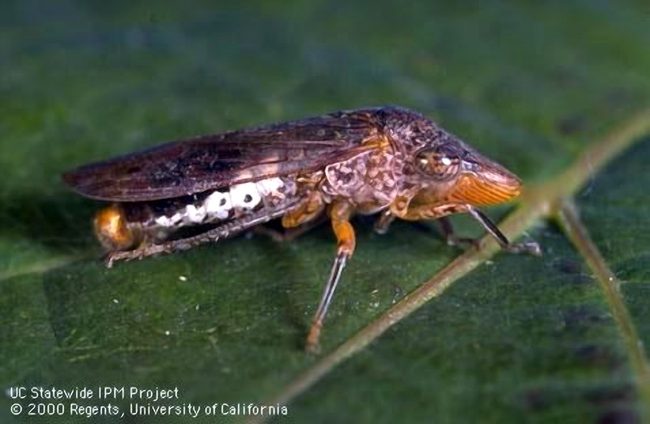
"If we don't lick this glassy-winged sharpshooter here and now," Callaway's own general manager, John Moramarco — the same viticulturist who'd helped scout the valley's earliest vineyard sites decades before — told Wine Spectator in 1999, "then three years down the road, there will be no more vines in Temecula." Growers fought back with areawide insecticide programs and, wherever vines were lost, replanted with better rootstock and closer attention to what the actual climate wanted — which meant leaning harder into Rhône and Mediterranean varieties suited to hot days and marine-cooled nights, rather than only the classics the valley started with. The insect that nearly ended Temecula wine country ended up reshaping it into something better matched to its own ground.
The timing is worth sitting with: this crisis played out in exactly the years Marshall Stuart was building his first winery. He bought his land in 1994, planted in 1996, and opened Stuart Cellars' tasting room in 1998 — squarely in the middle of the fight to keep Temecula's vines in the ground at all.
Chapter Six
Temecula Valley Today
The scale of the change is hard to overstate. When the Vails sold in 1964, the entire valley held about 250 people. By 1980 that was up to roughly 4,100; by 2000, over 30,000; today, Temecula's own population is past 100,000, with something like half a million people across the greater valley. When the city incorporated in 1989, residents were given a real choice on the ballot between "Temecula" and "Rancho California" — they chose the valley's original Payómkawichum name, giving Temecula the distinction of holding onto its Indigenous name longer than any other incorporated city in California.
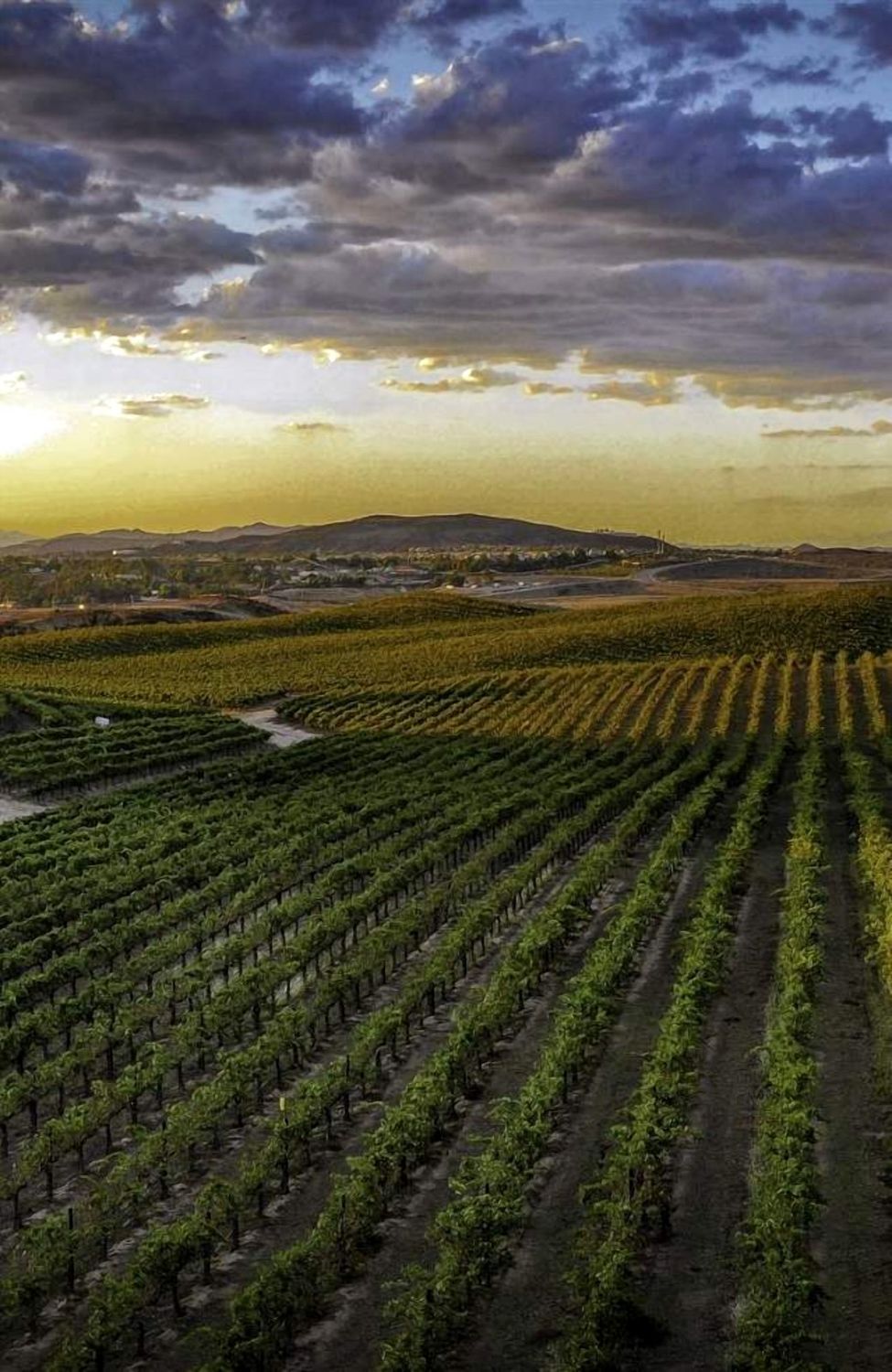
The Temecula Valley AVA now covers roughly 33,000 acres, of which only about 2,460 are actually planted to wine grapes — a small share of California's total production, but a disproportionately visited one. More than 40 wineries pour along three main trails, alongside Pechanga Resort & Casino, which completed a $300 million expansion, and the historic core of Old Town. Local land-use rules here are unusually permissive by wine-country standards, allowing restaurants, lodging, and live events directly at wineries — which is a real part of why the valley now supports at least 20 winery restaurants and seven inns, not just tasting counters. The Temecula Valley Balloon & Wine Festival, which started in 1983 with 35 balloons and about 4,000 people in a parking lot, now draws 15,000 to 20,000 people a day; annual visitor spending has grown from $131 million in 2000 to past $1.1 billion by 2018.
None of that looked likely for most of this valley's history. Experts — some at UC Davis itself — spent decades saying this latitude was simply too warm for serious wine. It took a rancher's land going up for sale, a handful of people willing to test real weather data against the conventional wisdom, and growers who refused to let an insect finish the job, to prove them wrong.
The valley's next chapter is already underway, and it's a generational one. A growing number of founding-era wineries — some of the same names that built this AVA in the 1970s and '80s — are now on the market as their owners reach retirement age, according to 2024 reporting: real listings have included Falkner Winery, Thornton Winery, Monte De Oro, and Avensole, among others, several priced well into eight figures. Brokers point to rising costs, harvest labor shortages, and younger consumers drinking less wine overall as real pressures on the region's business model — the same generational shift reshaping the wine industry nationally, not just here. It's a real challenge for the valley, and also, in a smaller way, part of Marshall Stuart's own story: he's spent over thirty years in this valley, on both sides of exactly this transition — building a winery, watching the valley nearly lose its vines to disease, stepping back to help other wineries make theirs, and starting again with a second label precisely as this new wave of change arrives.
The rest of that story is on the next page.